
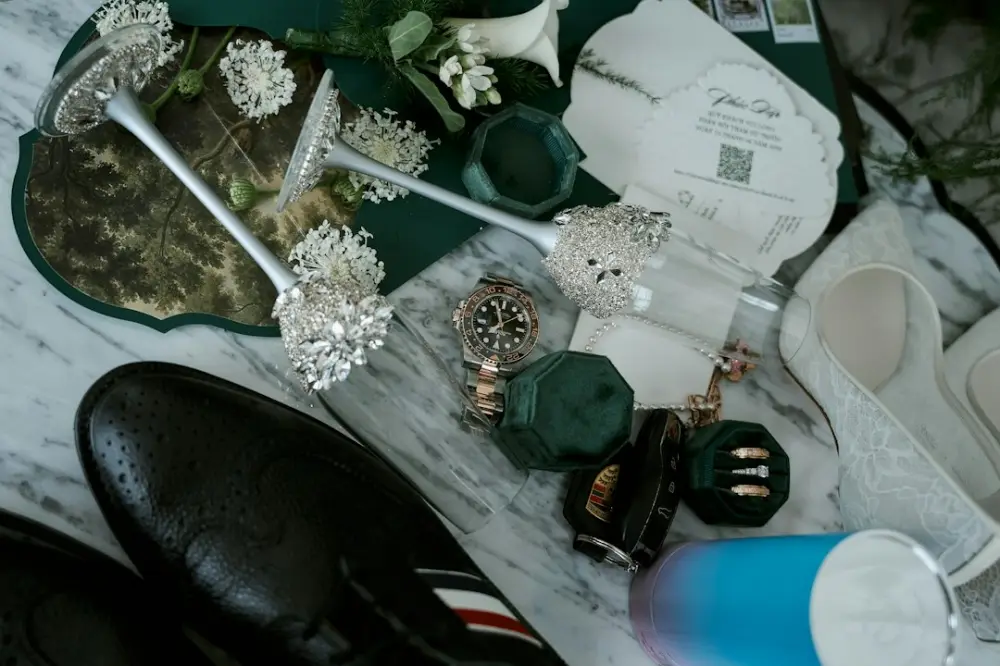
Luxury accessories for the self-made are premium items that symbolize personal milestones and professional triumph. Beyond mere utility, these goods—ranging from bespoke watches to high-performance vehicles—act as psychological anchors for achievement. They represent a shift from consuming inferior goods to investing in quality, craftsmanship, and the hard-earned financial freedom of a 2026 lifestyle.
For the modern entrepreneur, selecting a high-end accessory is rarely about impulsive spending. It is a calculated decision to acquire an object that reflects a specific level of discipline and success. These items serve as a private reminder of the long hours and risks taken to reach a point where quality is no longer a luxury, but a standard of living.
When an individual moves from entry-level gear to a piece of heritage craftsmanship, they are marking a boundary between their past efforts and their current reality. For example, a founder might purchase a high-end mechanical watch not just to tell time, but to commemorate the closing of a significant seed round or the first year of profitability. This connection between streetwear, personal identity, and professional growth transforms the object into a trophy that carries more weight than its market price suggests.
Status Symbols and the Psychology of Success
The psychology behind luxury accessories involves more than just outward display; it is about internal reinforcement. While the term conspicuous consumption often carries a negative connotation, for the self-made, these items function as "proof of concept" for their own ambitions. Owning a precision-engineered tool or a rare garment reinforces the belief that one belongs in the rooms where high-level decisions are made.
Consider the role of high-end technology in an entrepreneur's arsenal. A customized, titanium-housed laptop or a pair of audiophile-grade headphones isn't just about better specs. These items create a frictionless environment for deep work. They signal to the user that their time and their output are valuable enough to warrant the best possible tools. This psychological shift is vital for maintaining the momentum required to scale a business in a competitive market.
In the world of streetwear luxury, the status symbol has evolved. It is no longer just about a recognizable logo; it is about the story behind the piece. A limited-run collaboration between a high-fashion house and a legendary street artist serves as a cultural marker. It tells the world—and the wearer—that they are attuned to the nuances of modern influence and have the resources to participate in that exclusive dialogue.
Distinguishing Luxury Assets from Everyday Goods
One of the primary differences between luxury accessories and mass-market products is the concept of longevity. Most consumer goods are designed with planned obsolescence in mind, intended to be replaced within a few years. In contrast, high end luxury pieces actually outlast the rapid cycles of fast fashion and disposable tech because they are built with superior materials and construction methods.
A full-grain leather briefcase or a handmade pair of Goodyear-welted boots provides a level of durability that synthetic alternatives cannot match. These items develop a patina over time, becoming more personal as they age. This durability reflects the mindset of the self-made individual who prioritizes long-term value over short-term gratification. They understand that paying a premium upfront for a well-made asset often results in a lower cost-per-use over a decade of ownership.
Furthermore, luxury assets often retain or even increase in value. Rare timepieces from brands like Patek Philippe or specific models of high-performance cars are frequently viewed as alternative investments. For the entrepreneur, this adds a layer of practical financial logic to the purchase. It is not just a spend; it is a diversification of assets into tangible goods that possess their own secondary market liquidity.
From Timepieces to Private Travel: Scaling Rewards
As an entrepreneur’s journey progresses, the scale of luxury rewards typically evolves from personal accessories to experiential assets. The first "win" might be celebrated with a designer wallet or a high-end skincare regimen. As the business scales, these rewards transition into larger investments that impact daily productivity and lifestyle quality, such as private travel or high-performance vehicles.
Private aviation, for instance, is the ultimate luxury accessory for the time-constrained executive. It moves beyond the realm of a "status symbol" and into the realm of a functional tool that buys back the most precious resource: time. By avoiding the friction of commercial terminals, the self-made individual can maintain a grueling schedule that would otherwise be impossible. This is the point where luxury and utility become indistinguishable.
Similarly, the transition to high-performance vehicles often centers on the engineering and the sensory experience of the drive. The weight of the steering, the sound of a naturally aspirated engine, and the precision of the interior finishes provide a tactile sense of control. For someone who spends their day managing complex, intangible digital systems, the visceral reality of a finely tuned machine offers a grounding experience that justifies the investment.
Where to Begin with Your First Legacy Acquisition
Transitioning from mass-market goods to curated luxury requires a strategic approach to ensure each acquisition carries genuine psychological weight. Follow these steps to begin building a collection that reflects your professional trajectory:
- To begin, identify a specific professional milestone, such as a revenue target or a successful project launch, to anchor the purchase to a tangible achievement.
- The first step in the selection process is to research the heritage and secondary market stability of the brand to ensure the item functions as a long-term financial asset.
- Next, prioritize utility by selecting a piece that integrates seamlessly into your daily workflow, such as a high-end timepiece or a bespoke leather brief.
- Start by visiting a physical boutique or showroom to experience the tactile quality and craftsmanship firsthand before committing to the investment.
- Finally, document the context of the purchase in a personal journal to preserve the connection between the object and the hard-earned success it represents.
Why Meaningful Luxury Fuels the Self-Made Mindset
The personal meaning of luxury for the self-made is rooted in the alignment between one's external environment and their internal drive. When your surroundings reflect the quality of your work, it creates a feedback loop that encourages further excellence. Choosing accessories that resonate on a personal level—whether it is a piece of archival streetwear or a bespoke piece of jewelry—ensures that these items remain meaningful long after the initial novelty has worn off.
To integrate luxury into an entrepreneurial lifestyle effectively, focus on three specific criteria: utility, craftsmanship, and personal resonance. Ask if the item solves a problem or enhances a daily ritual. Investigate the materials and the people behind the production to ensure the quality justifies the price. Finally, ensure the piece aligns with your personal narrative rather than just following a current trend.
At Money Never Sleepz, we view these luxury symbols not as distractions, but as the fuel for continued ambition. Streetwear luxury and high-end tech are the modern uniforms of the self-made, providing a way to signal vision and success without adhering to outdated corporate norms. By choosing accessories that carry personal significance, you turn your success into a tangible reality that motivates the next phase of your journey. This site explores the intersection of high-end aesthetics and the entrepreneurial spirit, helping you navigate a world where style and substance are one and the same.